Kitora
Do you need a separate first aid kit for travel?
A separate pouch can help when your home kit will stay behind or you will be far from shops or medical help. Choose supplies around the trip and travellers’ needs.
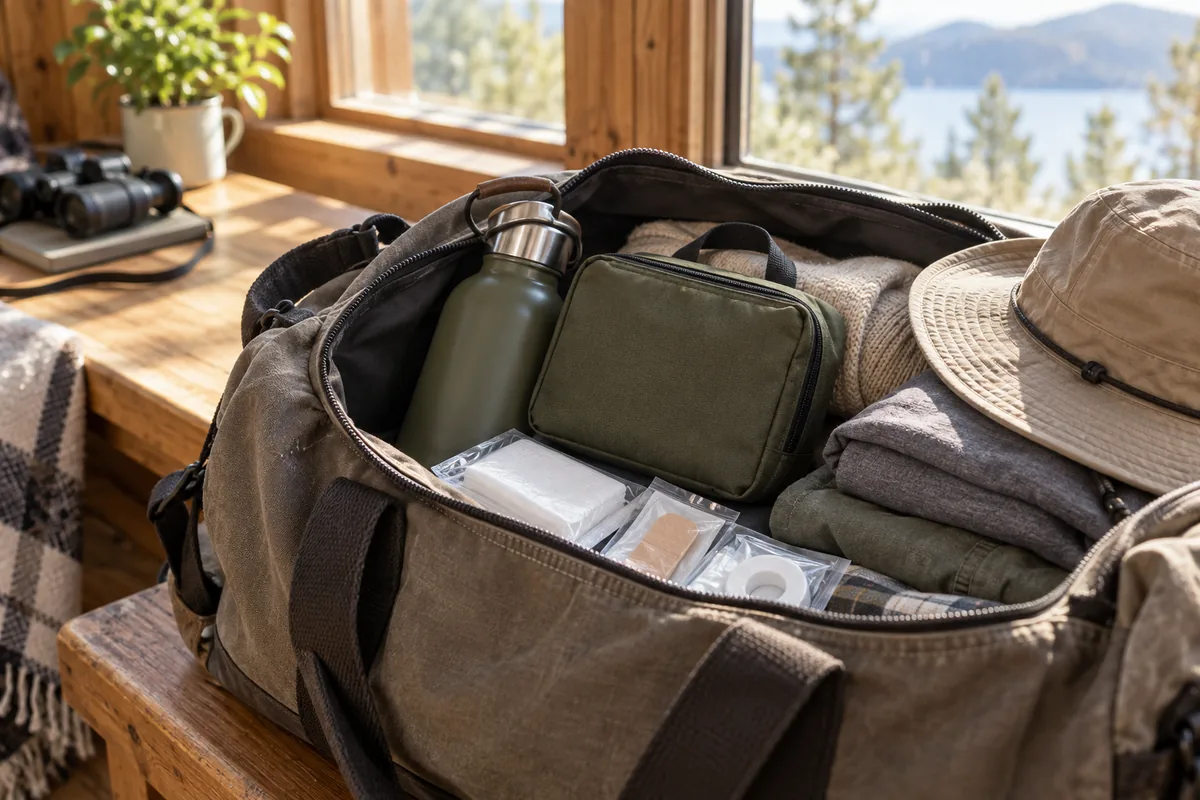
You do not need a separate first aid kit for every trip. A small pouch can be handy when your home kit will stay behind or you will be far from shops or medical help.
When a separate kit helps
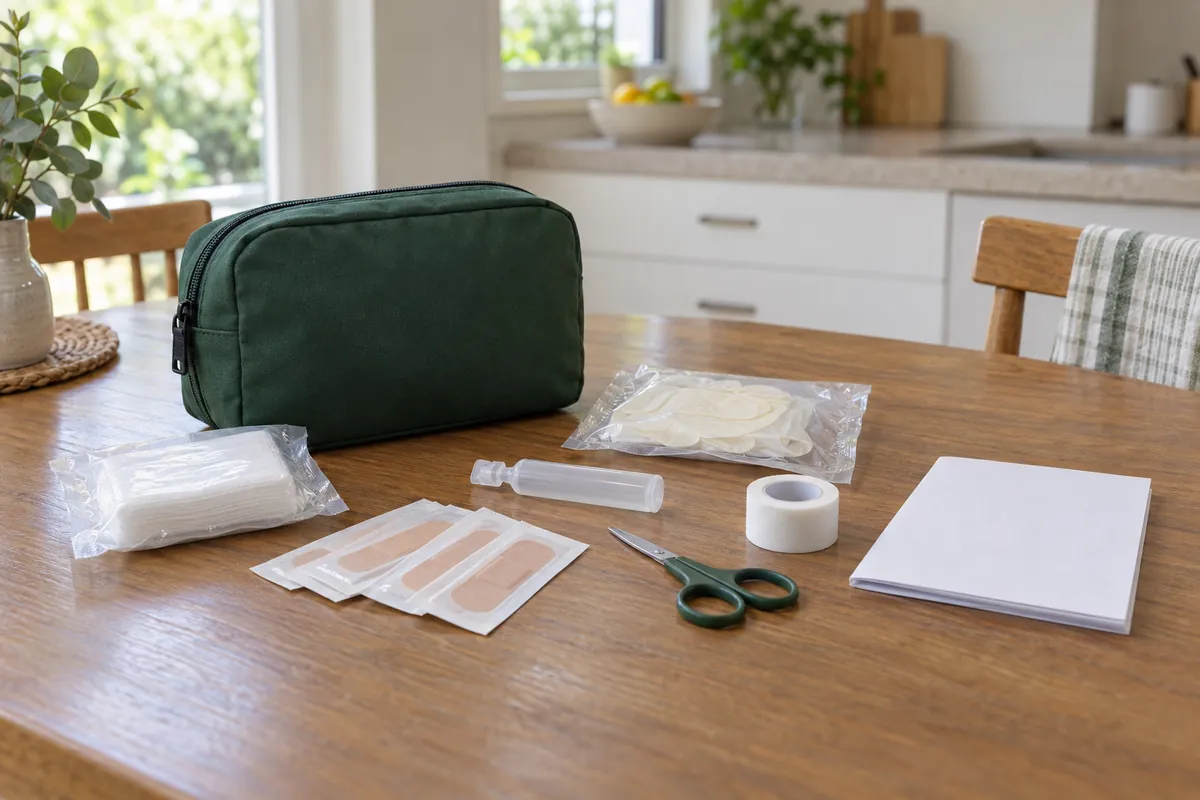
For a short outing near home, take only the supplies that fit the activity; you may not need a second full kit. Put borrowed items back afterwards so your home kit is ready again.
Pack for the journey
A small travel medical kit might include adhesive bandages, antiseptic lotion, sunscreen and insect repellent. Choose what fits your destination and activities, and follow each product’s label and storage instructions.
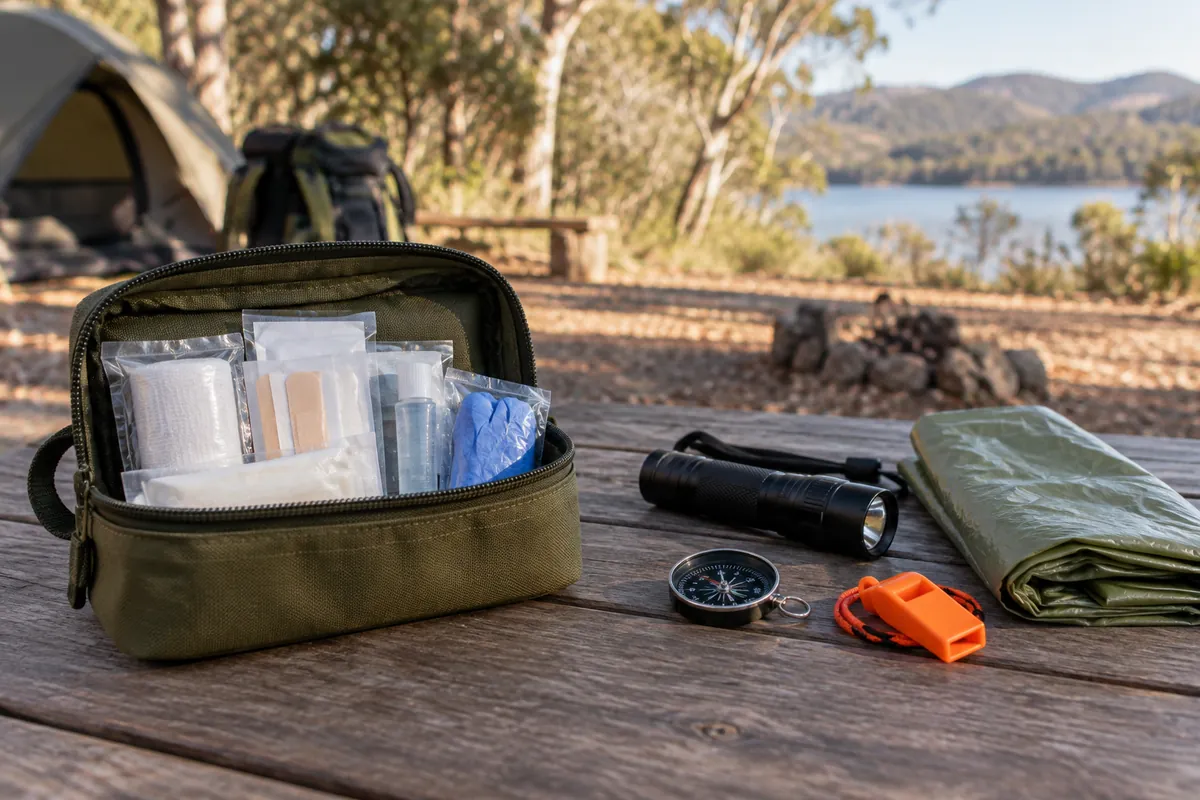
For a longer or remote trip, consider how soon you could get more supplies or medical help. A compact pouch for a local outing may not be enough for camping or travel far from services; see how to plan a camping first aid kit.
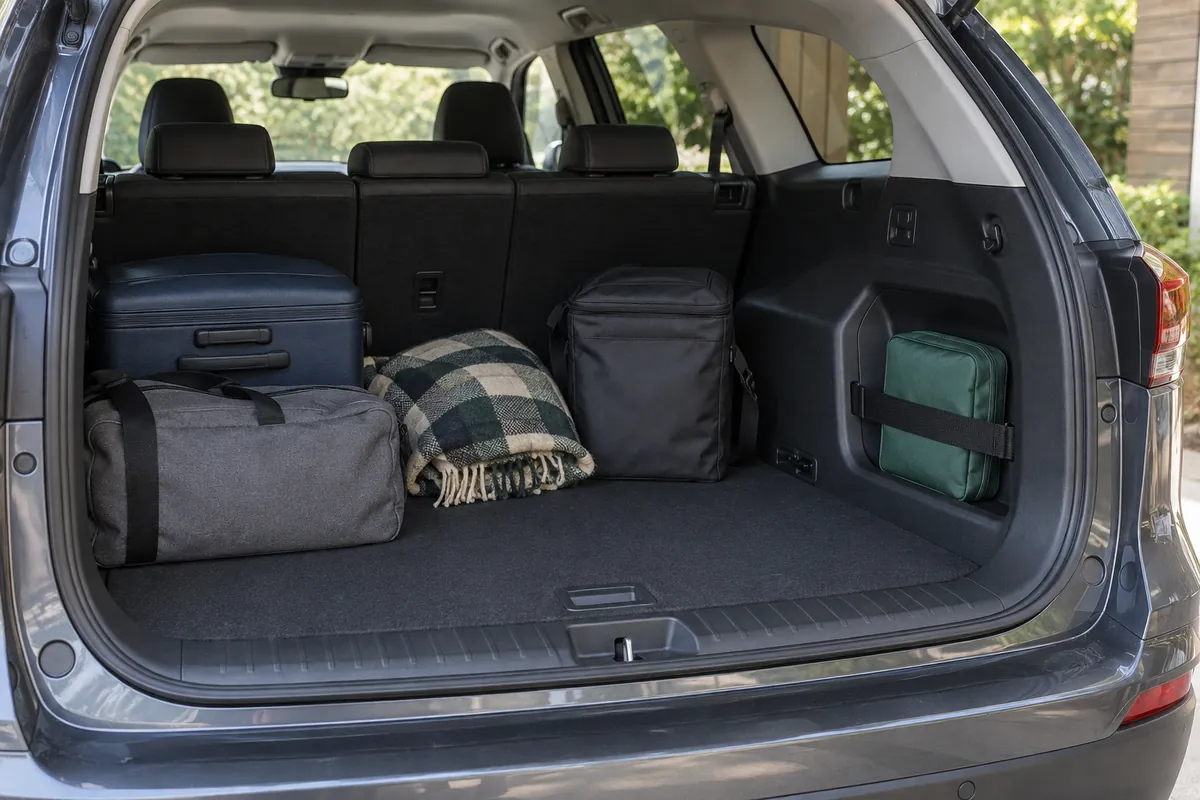
If you are driving, keep the kit somewhere accessible and secure it so it cannot move around in a collision. See what to consider for a car first aid kit.
Plan for personal medicines
Pack your usual medicines as well as first aid supplies. Before you go, check whether your medicines are legal at your destination. Keep prescription medicines in their original labelled packaging, and ask your doctor or pharmacist whether you need extra supplies or paperwork.
For overseas travel, plan ahead in case you cannot easily replace a medicine or medical device. Keep what you need with you, follow its storage instructions, and carry a copy of your prescription or a doctor’s letter if advised. If someone travelling with you has an anaphylaxis plan, take their prescribed adrenaline device and plan; ASCIA’s Travel Plan is designed to be used with the person’s Action Plan.
For a home starting point, read what belongs in a home first aid kit.