Kitora
What should be in a home first aid kit?
Start with familiar supplies for minor injuries, then tailor the kit to your household and store medicines safely.
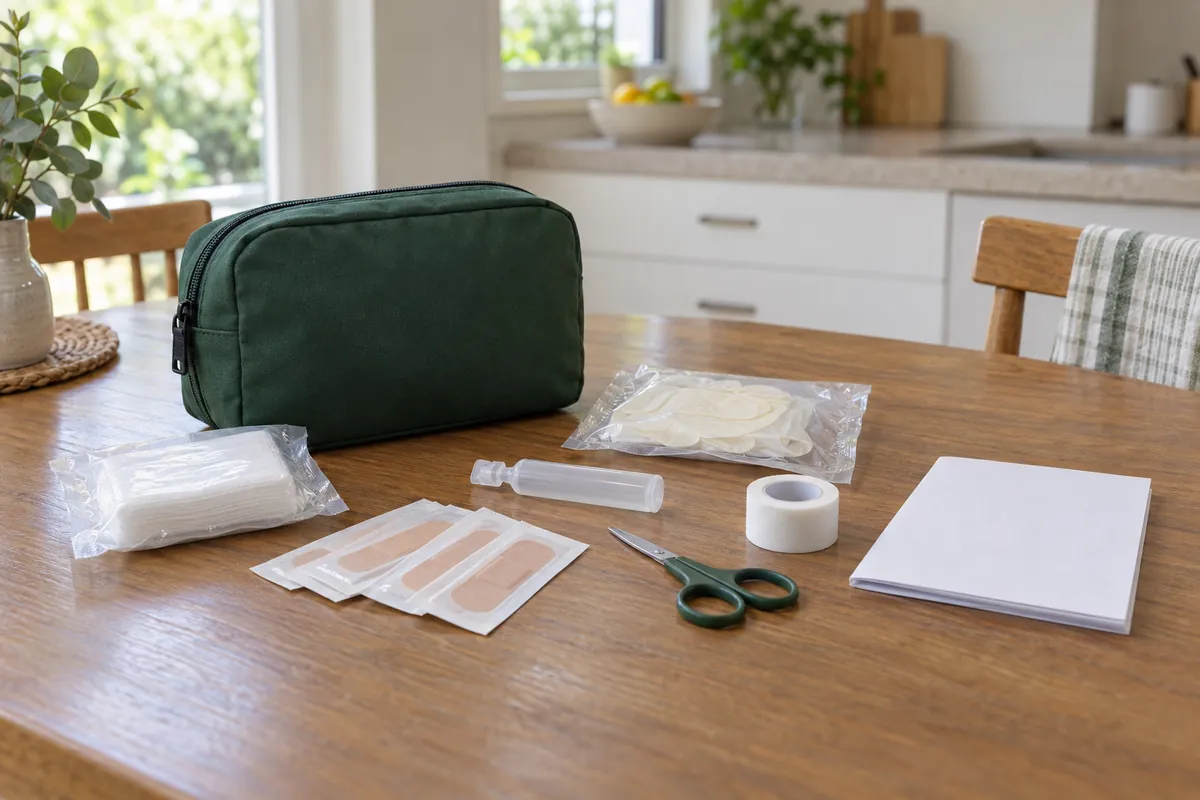
A home first aid kit should contain familiar supplies for minor injuries, with a few additions for the people who live there. Keep the basics together, easy to find and ready to use.
Put the basics in one place
For a starter list of common first aid supplies, include:
- Dressings and bandages: adhesive strips, sterile dressing pads, gauze, crepe and triangular bandages, and surgical tape.
- Cleaning and protection: disposable gloves, sterile saline, eye pads and a resuscitation face shield.
- Tools: blunt scissors, tweezers and safety pins.
- Other supplies: a cold pack, shock blanket, rubbish bags, notepad, pen and first aid booklet.
Add what your household needs
Think about the ages and needs of the people at home. A baby’s supplies might include a digital thermometer and dosing syringe. If someone gardens, cycles or plays sport regularly, you may want a few items for those activities.
Some kit lists include pain relief or antiseptic cream. If you keep medicine, leave it in its labelled packaging, follow its storage directions and keep it locked away from children. Include pain relief only when it is suitable for the person who may take it. For a prescribed adrenaline device, follow the person’s action plan and keep it readily available to them or their helper, out of children’s reach and not in a locked cupboard, as the device storage guidance sets out.
Keep it easy to find
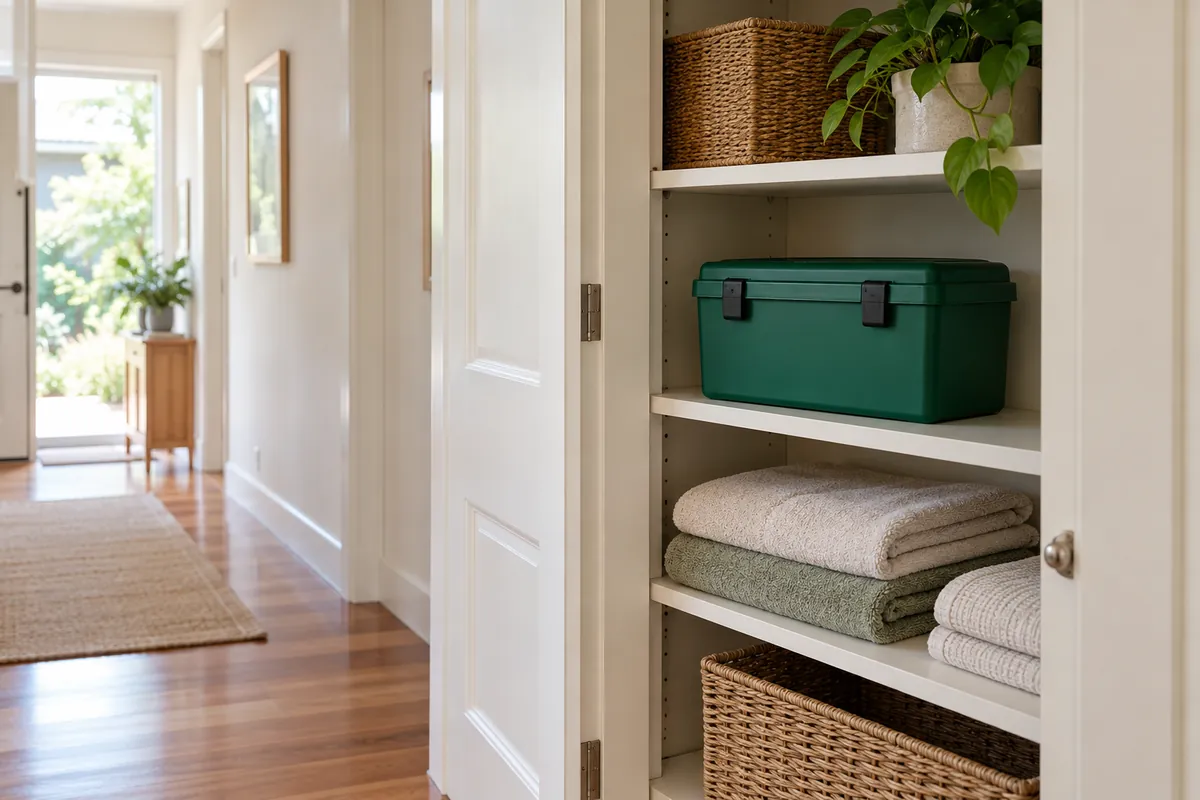
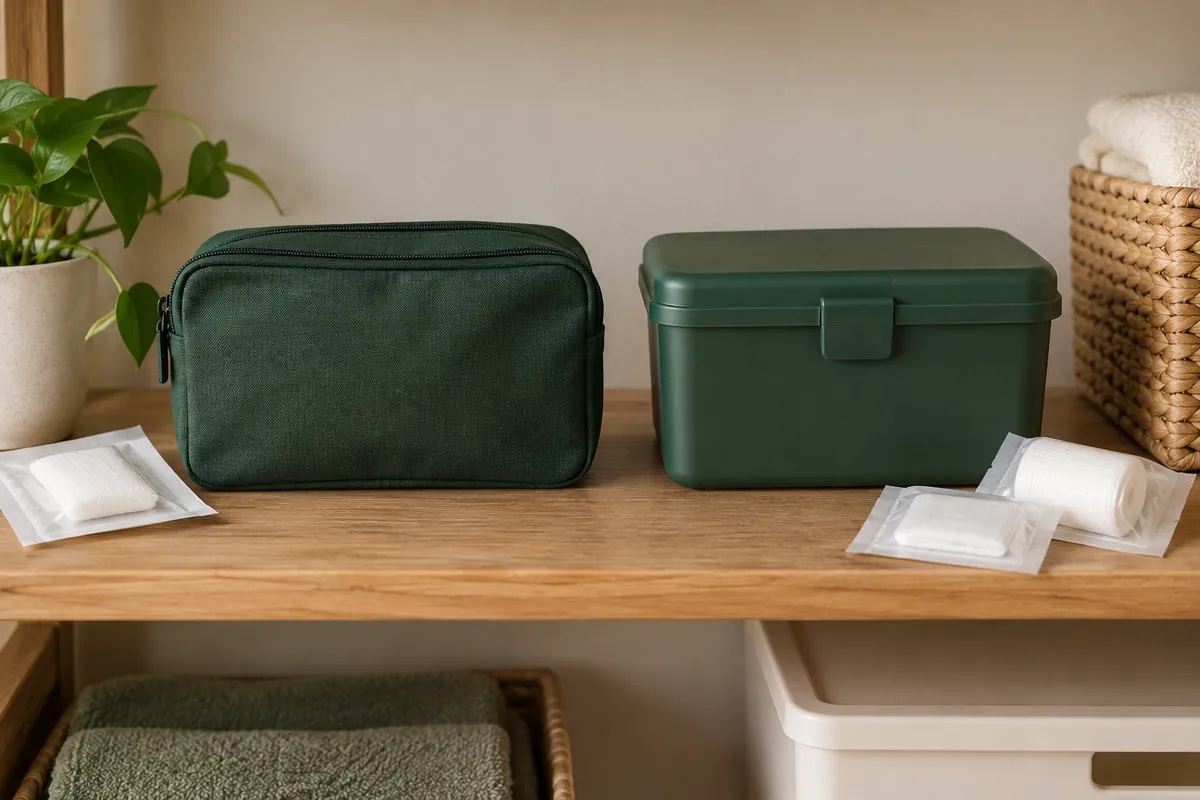
Choose a case that is easy to recognise, protects supplies from dust and moisture, and is large enough to hold them without crushing packets. Keep it somewhere dry that adults can reach quickly, and show household members and regular carers where it is. See where to store a kit at home and how to choose a bag or box.
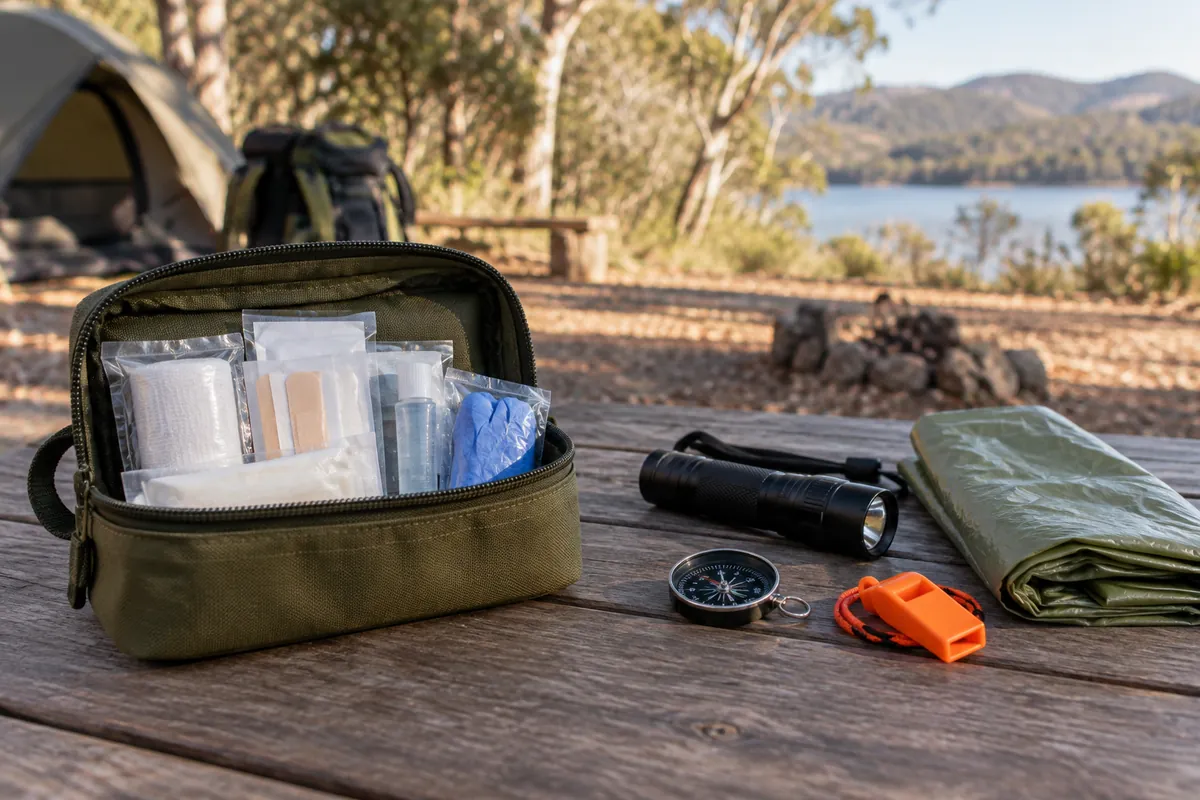
Learn where the main supplies are before you need them. Replace used items promptly. After use or at least every 12 months, check for expired or damaged items and confirm sterile packs remain sealed, following the recommended kit checks. For a kit that travels, see the car guide or the camping guide.