Kitora
How do you plan a camping first aid kit?
Plan around the group, activities and distance from help; keep first aid supplies easy to find beside your outdoor safety gear.
A camping first aid kit should be easy to carry and suit the people, activities and time it takes to reach help. The farther you will be from assistance, the more important it is to plan the route and communication as well as the contents.
Pack for the group
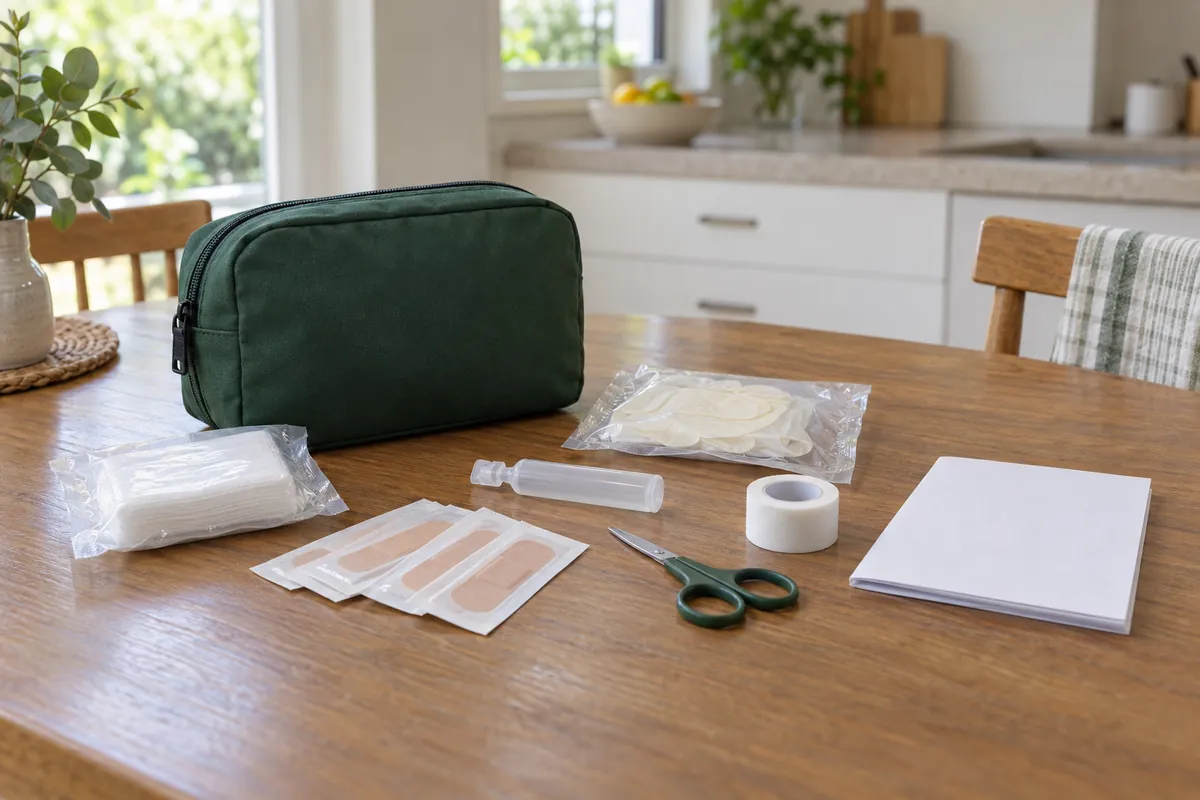
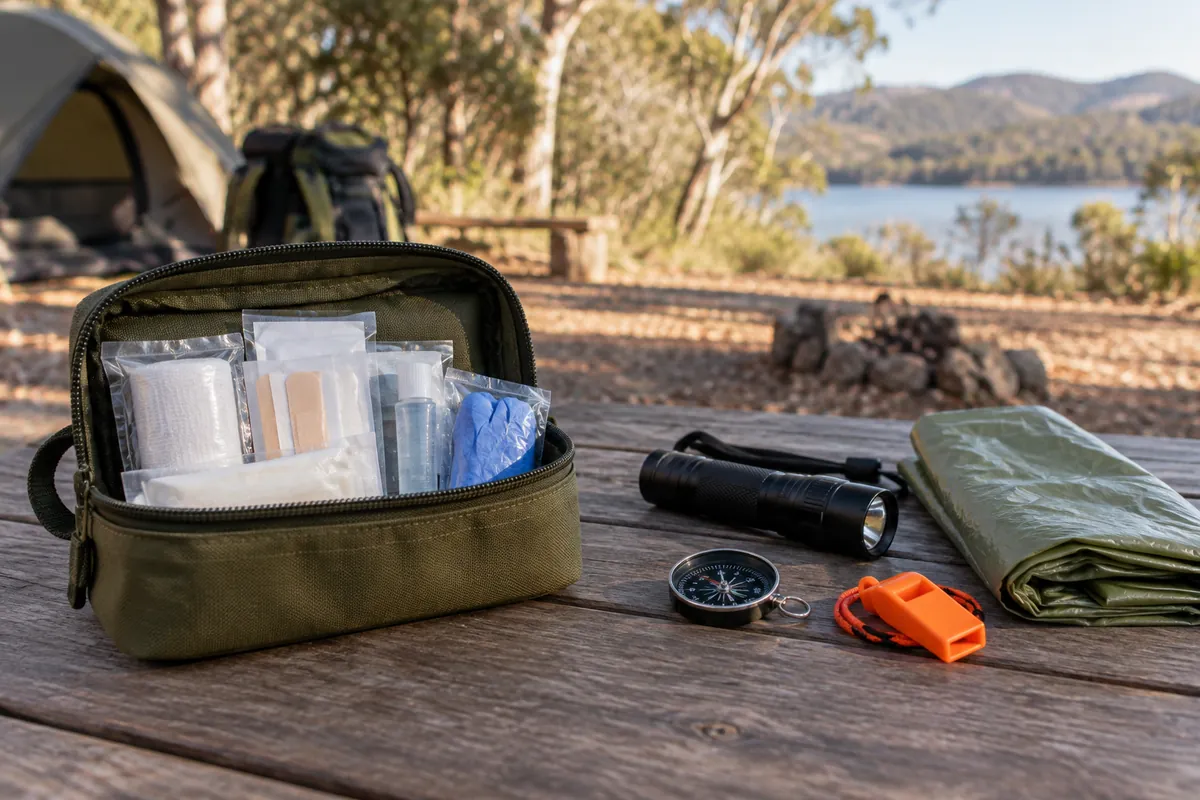
Carry familiar supplies for minor injuries: dressings, bandages, gloves, saline, basic tools and a booklet. Add items for the group’s ages, health needs and planned activities. For camping and hiking, consider a torch and batteries, whistle, compass and disposable poncho.
Keep your torch, whistle and other camping gear alongside the kit, where you can find them quickly. Store the first aid pouch near the top of the pack or in a marked pocket so you are not unpacking everything to reach it.
Plan the route and contact
Check the weather and local alerts before leaving. Tell someone your route and expected return time, and consider whether you will have phone reception or another way to call for help. For trips in NSW national parks, check the park alerts, weather and remote-trip advice before you go.
Prepare for local snakebite risks
If venomous snakes are a realistic risk on your route, read the current Australian snakebite guidance and pressure-immobilisation advice before travelling, and learn the current guidance in first aid training. A snakebite kit label is not a substitute for training or for knowing how your group will contact help.
Carry personal medicines
Agree who will carry any prescribed medicine or device and how the person can reach it quickly. Follow the storage instructions on the product label. Keep an adrenaline device readily available to the person or carer; for an extended time outdoors in the heat, use an insulated wallet.
Check the kit after the trip
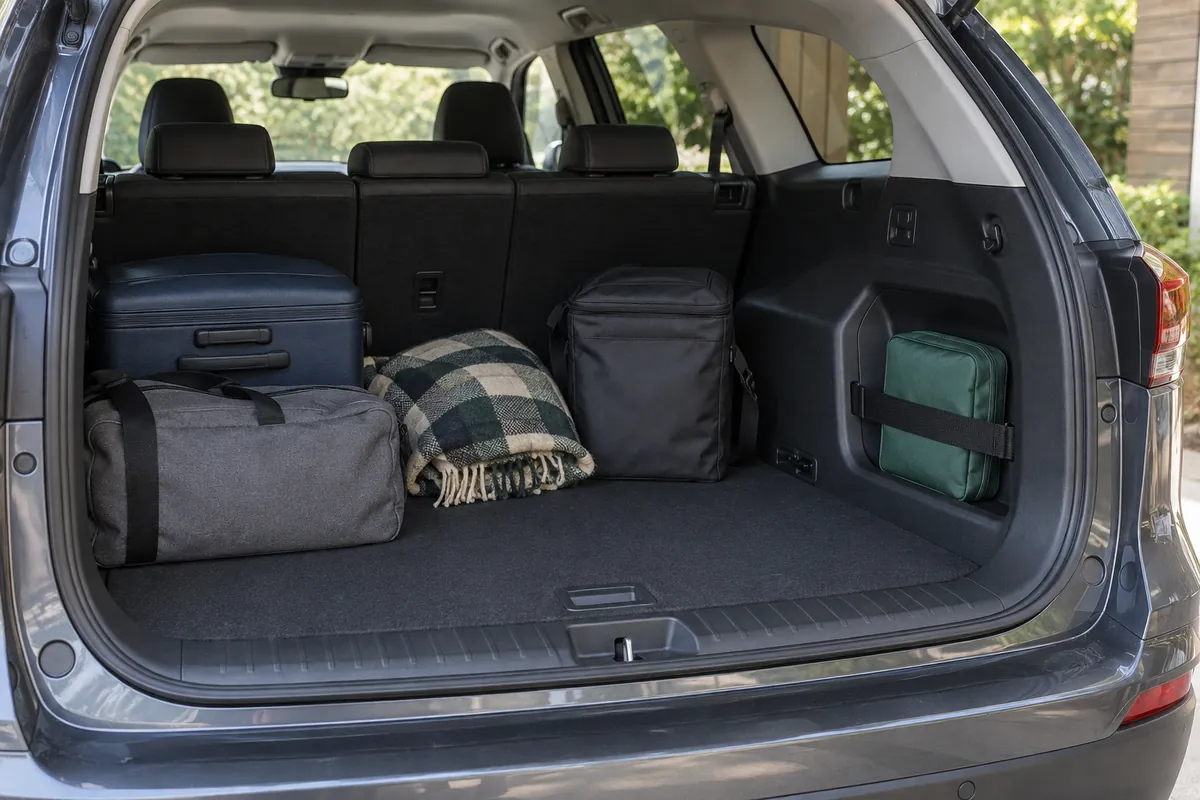
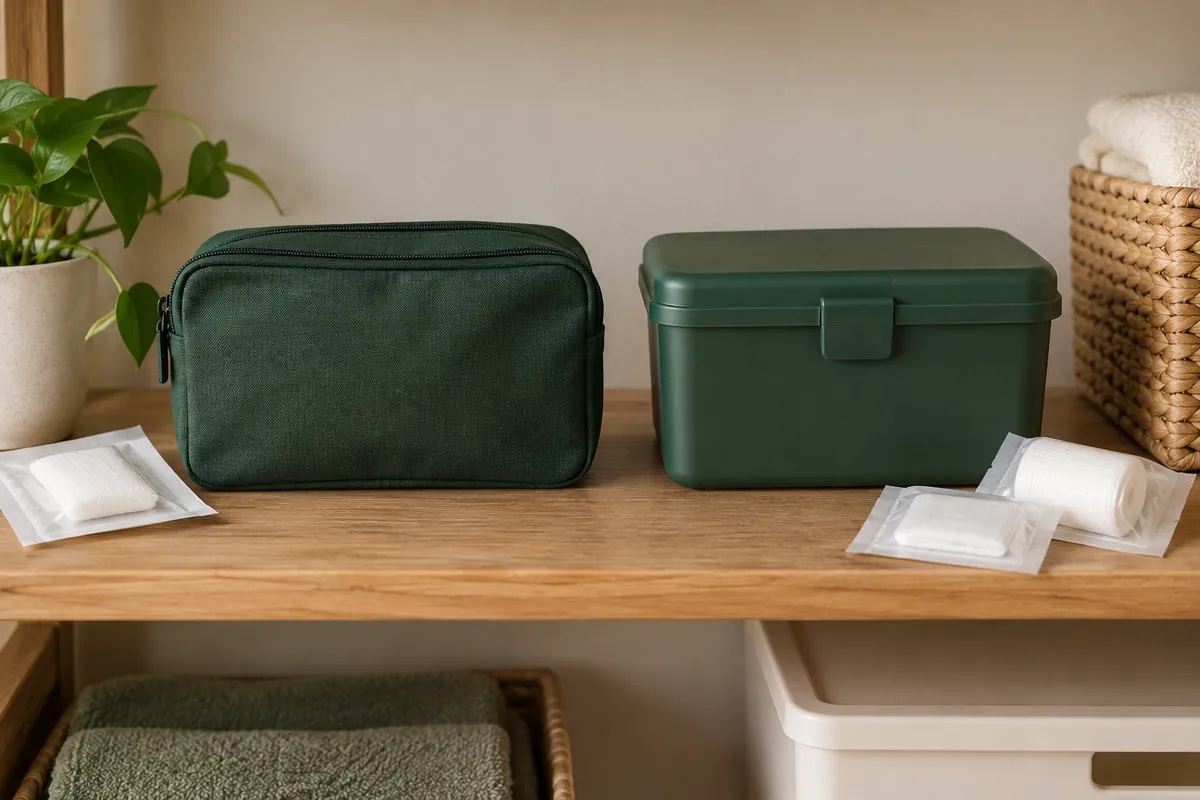
Replace used supplies and check that the rest are dry, in date and sealed where they should be sterile; follow the recommended kit checks. For a basic contents list, see what belongs in a home kit; if you will drive to the campsite, read what to carry in the car.
Sources
- Healthdirect Australia — First aid kits
- NSW National Parks — Camping safety
- ANZCOR — Guideline 9.4.1: First Aid Management of Australian Snake Bite
- ANZCOR — Guideline 9.4.8: Pressure Immobilisation Technique
- ASCIA — Adrenaline device storage, expiry and disposal
- Therapeutic Goods Administration — What’s on my medicine label?