Kitora
What should you do after a first aid kit gets wet?
Set a wet kit aside and inspect the case and each supply. Replace items if sterile packaging was wet or damaged, and do not use medicines exposed to floodwater or mud.
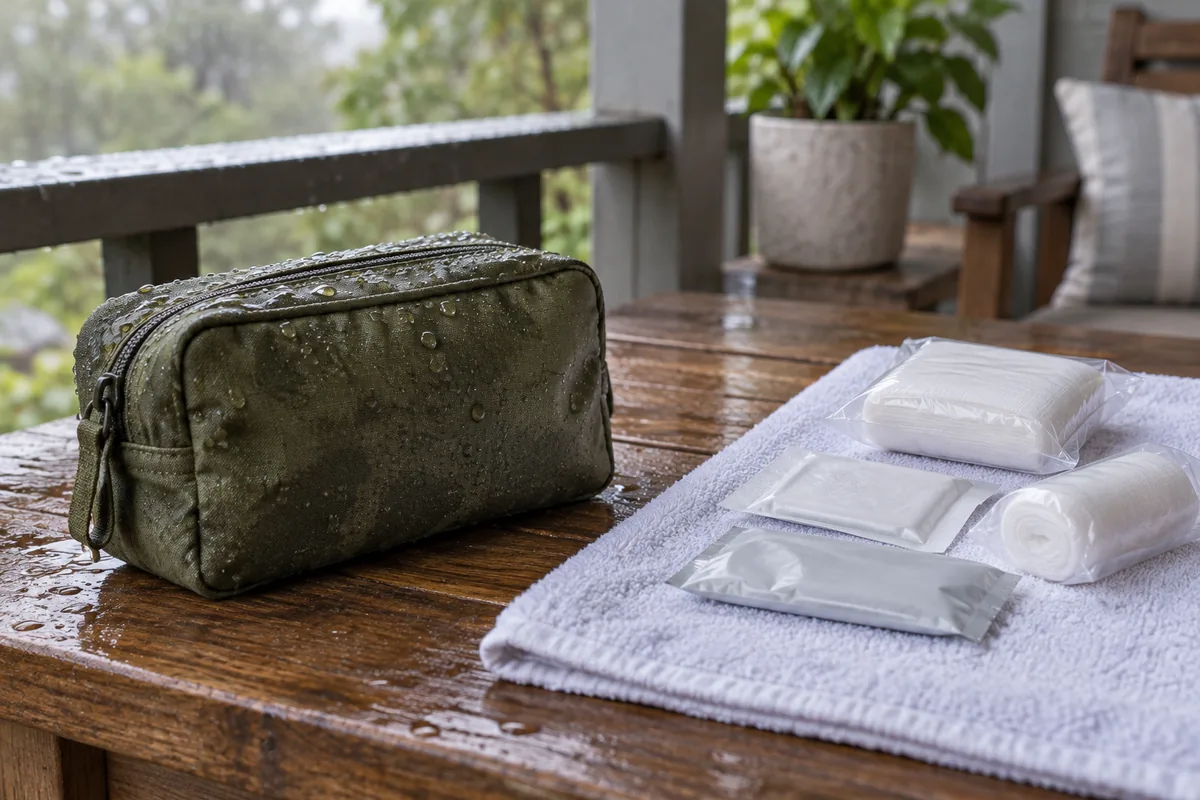
If a first aid kit gets wet, set it aside and check the case and each item before using it again. A dried pack is not automatically safe or sterile; follow the product instructions or replace it if you cannot confirm it is still protected.
Separate the kit and check the water
Keep the wet kit away from ready-to-use supplies. Note whether the exposure was a clean splash or involved floodwater, mud, chemicals or another contaminant. Floodwater may be contaminated, so do not treat a flood-soaked kit as a simple drying job.
If medicines were exposed to floodwater or mud, throw them out and ask a pharmacist how to replace them.
Inspect the case and each item
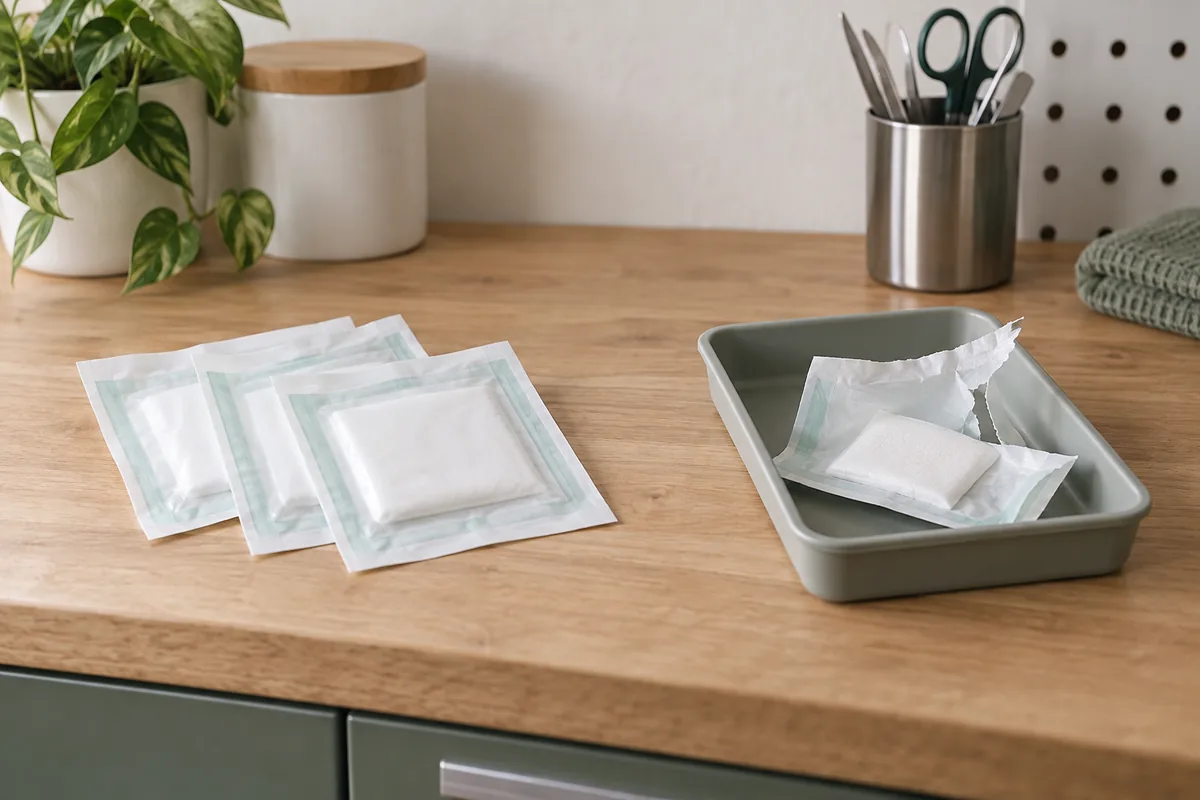
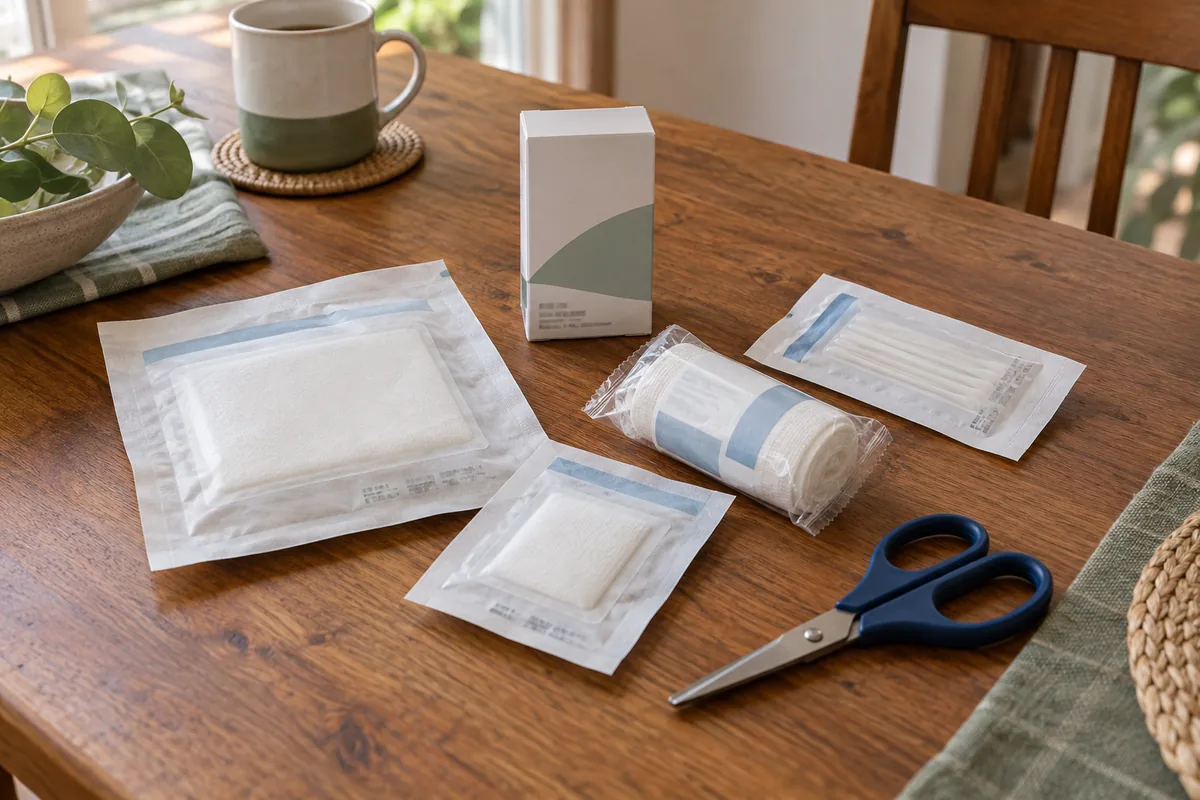
Follow the case maker’s instructions for cleaning and drying the container. Check the supplies one by one, including the individual wrapping, labels and expiry dates. Replace sterile items if the wrapper is wet, open, torn or the seal has lifted. Do not try to sterilise them at home.
If a sealed item stayed dry but you are unsure whether its packaging or storage conditions were affected, check the product instructions or ask the supplier. If you cannot confirm it is still fit to use, replace it. Keep the kit dry and check that sterile items remain sealed and usable.
Put a ready kit back in place
If this is the only kit for a household, team or activity, arrange another accessible kit while you inspect it. Once the case and contents are ready, replace missing or discarded supplies and make sure the list matches what is inside.
For more on damaged packaging, read what to do with damaged or opened sterile supplies. To keep replacements on track, see Kitora’s restocking sheet.